Drexel Releases National Indicators Report on Autism & Adolescent Transitions

Originally posted on DrexelNow.

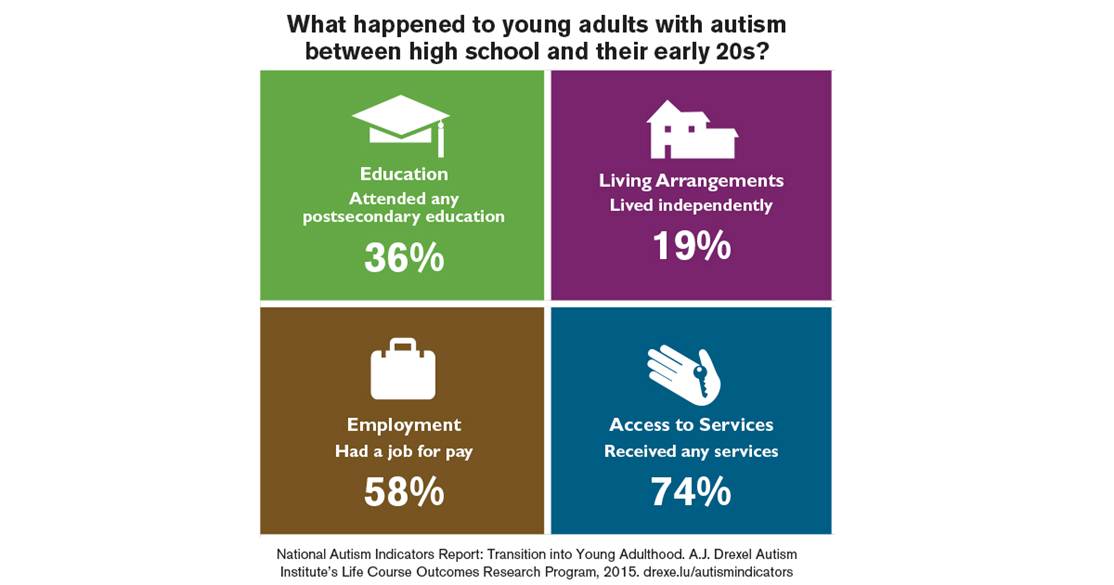
Autism does not end when children reach adulthood—yet most public awareness, public policy and research about autism focus on the needs of children. Families, service providers, community leaders and policymakers still know too little about the experiences and outcomes of young people on the autism spectrum as they enter their adult lives. What are their experiences with transition planning, living arrangements, social participation, employment, postsecondary education, health and mental health, safety and other domains?

Answers to these and other critical questions, addressing life outcomes beyond clinical interventions, are the focus of a report issued today from Drexel University’s A.J. Drexel Autism Institute, from its Life Course Outcomes Research Program. The “National Autism Indicators Report: Transition into Young Adulthood” is a comprehensive report (available free online) that presents new findings about a wide range of experiences and outcomes of youth on the autism spectrum between high school and their early 20s, including new safety and risk indicators for young adults with autism. The report describes the indicators now available and serves as a call to action to fill the remaining large gaps in knowledge.
(more…)

Mapping Language in the Brain

Originally posted on DrexelNow.

The exchange of words, speaking and listening in conversation, may seem unremarkable for most people, but communicating with others is a challenge for people who have aphasia, an impairment of language that often happens after stroke or other brain injury. Aphasia affects about 1 in 250 people, making it more common than Parkinson’s Disease or cerebral palsy, and can make it difficult to return to work and to maintain social relationships. A new study published in the journal Nature Communications provides a detailed brain map of language impairments in aphasia following stroke.
(more…)

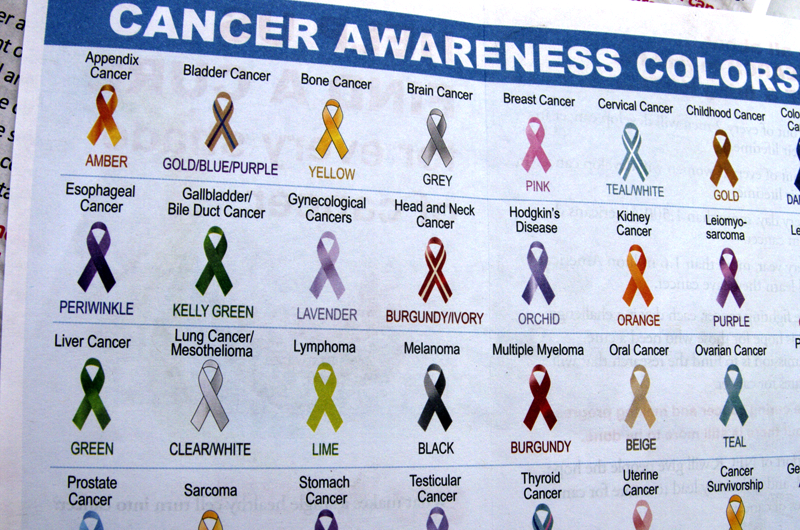
Today is [Insert Health Issue Here] Awareness Day. Is That Making Us Healthier?

Is there enough evidence of public health benefit to support the ubiquity of health awareness days? Photo credit: Judith E. Bell, CC BY-SA 2.0

Originally posted on DrexelNow.

“We contend that the health awareness day has not been held to an appropriate level of scrutiny given the scale at which it has been embraced,” write Jonathan Purtle, DrPH and Leah Roman, MPH in a peer-reviewed commentary published online ahead of print today in the American Journal of Public Health.
(more…)

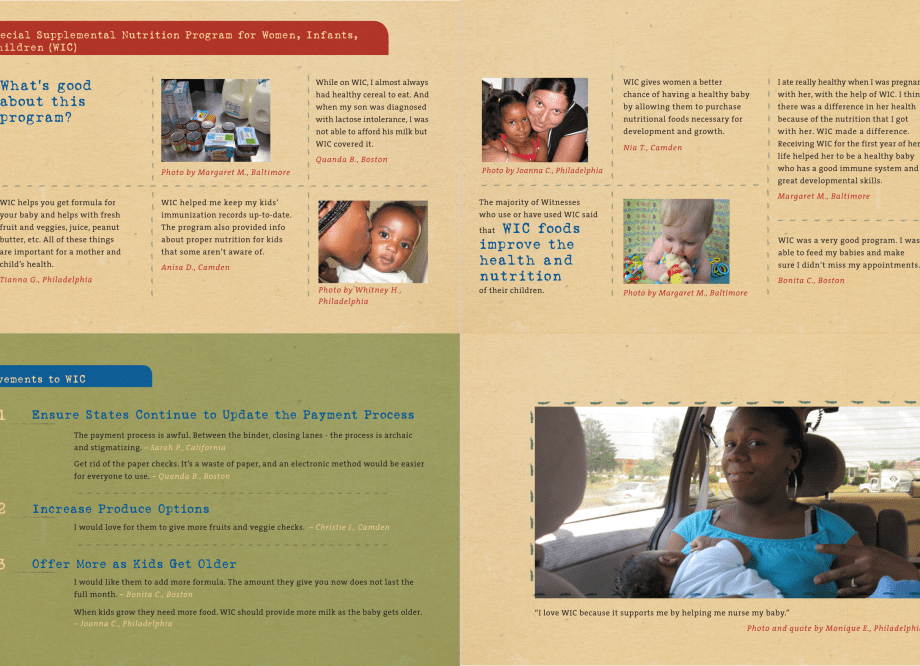
Moms Know Best: These Moms Want to Share Their Solutions for Child Nutrition & Hunger with Congress

Drexel News Blog Members of Witnesses to Hunger, seen here during an exhibit of their photos on Capitol Hill in 2014 together with staff from Drexel’s Center for Hunger-Free Communities in the School of Public Health and the center’s director and public health associate professor, … Continue reading Moms Know Best: These Moms Want to Share Their Solutions for Child Nutrition & Hunger with Congress

Study of African Birds Reveals Hotbed of Malaria Parasite Diversity

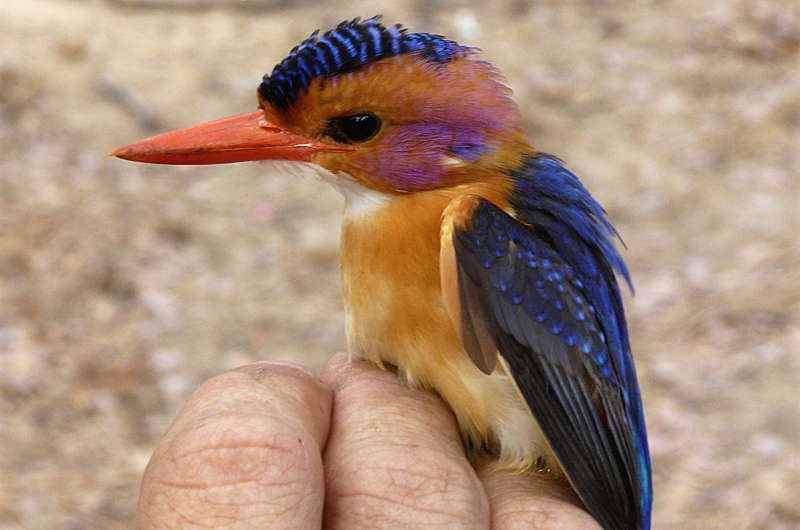
African Pygmy Kingfisher (Ispidina picta) photographed in Vwaza Wildlife Reserve, Malawi. Credit: Jason D. Weckstein

Originally posted on DrexelNow.

When you think of tropical biodiversity, you may picture flocks of colorful birds flitting through lush foliage—but what you are less likely to imagine is the plethora of parasites and pathogens pulsing through the bloodstreams of those birds. Among these microscopic organisms are Plasmodium parasites, best known for causing malaria in humans, birds and many other vertebrates.

A new study published this week in the journal PLOS ONE explores the scope of malaria parasite diversity in southeast African birds, and provides insight into how lifestyle characteristics of birds can influence their association with different parasite genera. The study considers haemosporidian (blood) parasites in the genus Plasmodium, as well as closely-related parasites in the genera Haemoproteus and Leucocytozoon. Understanding the patterns of how those parasites are transmitted across populations and different species of birds can help unlock a better understanding of disease movements in the environment.

Among hundreds of birds sampled during two months of field work in the southeastern African nation of Malawi, an astonishing proportion of the birds—79 percent—were infected with haemosporidian parasites. Even more surprising was the number of novel malaria parasite lineages scientists discovered in Malawian birds.

“A large proportion, 81 percent, of the parasites that we detected are new, previously undocumented lineages of Plasmodium, Haemeoproteus and Leucocytozoon,” said study co-author Jason Weckstein, PhD, an associate professor at Drexel University in the College of Arts and Sciences and the associate curator of ornithology at the Academy of Natural Sciences of Drexel University.

The study, led by Holly Lutz, a PhD candidate at Cornell University, was conducted under the auspices of the Emerging Pathogens Project at the Field Museum of Natural History in Chicago, and included collaborators from the Field Museum, the Cornell Lab of Ornithology and the University of North Dakota. Lutz and Weckstein began collaborating when Lutz was an undergraduate student at the University of Chicago and worked with Weckstein on a National Science Foundation funded project.

“We typically think of malaria as a human disease, but in reality, the vast majority of haemosporidian parasites infect birds, reptiles and non-human mammals,” said Lutz. “Studying how other animals interact with and combat these parasites could provide us with important insights for the fight against human malaria.”

The effects of these parasites in wild animals range from mild to severe. In one of the most dramatic examples, avian Plasmodium parasites introduced by humans to naïve bird communities in Hawaii ultimately led to the extinction of at least 10 native bird species. Despite such devastation in Hawaiian birds, the effect of naturally occurring haemosporidian parasites in wild populations is poorly known.

By studying a large and diverse sample of birds, Lutz, Weckstein and their colleagues were able to draw several associations between birds’ lifestyle habits and their patterns of parasitic infection: “We found that bird species aggregating in single-species flocks experienced a lower probability of infection by Plasmodium parasites and a higher probability of infection by Haemoproteus parasites, relative to birds that are solitary or living in mixed-species flocks,” Weckstein said.

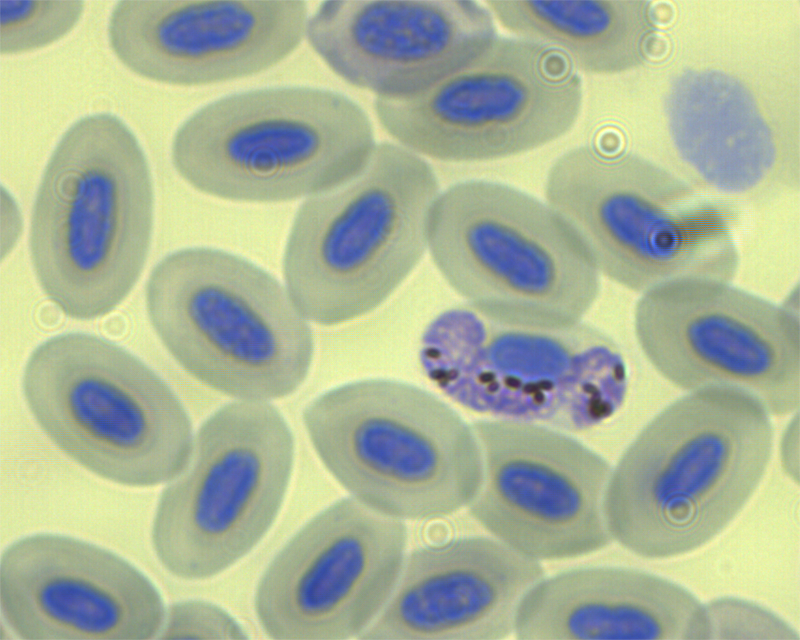
Haemoproteus parasites infect one of the red blood cells shown in this sample taken from a bird in Malawi. Credit: Jacob Mertes, University of North Dakota

The diversity of parasites found here indicate that this region of southeast Africa is a prime area to study the mechanisms of host-parasite interactions—and, Weckstein said, knowing more about the diversity of haemosporidian parasites infecting birds here helps complete the picture across Africa. Scientists now have data from across the continent, including Malawi, Mozambique, Congo, Uganda and Kenya. “This will increase our sample sizes and give us a chance to look more broadly at how host specific some of these parasites are (how many host species they infect) and how geographically specific they are (whether particular parasites are only found in some regions and not others).”

Weckstein hopes future research will yield more information about the vector species that transmit the parasites between avian hosts. Based on the high prevalence and diversity of haemosporidian parasites found in this region, the fly and mosquito species which transmit these parasites are believed to have diverse lifestyle characteristics as well. The patterns of infection that vary between birds with different lifestyle habits likely reflect differences in the biology of vector insects. Understanding these vector species is critical to making sense of the complex interactive systems involving diverse sets of hosts, parasites and vectors in this environment.

– See more at: http://drexel.edu/now/archive/2015/April/African-Birds-Malaria-Diversity/#sthash.7up1SZ1o.dpuf
How to Harness the Science of Sparking Ideas

Originally posted on DrexelNow.

When you say “aha!” at the spark of a surprising new idea or creative solution to a problem, the idea seems to come out of nowhere. But when such insights pop up without your conscious awareness, how can you train your brain to deliver more of them?

Creative ideas tend to come to people all of a sudden, sometimes in the shower or, famously in the case of Archimedes, who shouted “Eureka!” and ran naked through the streets of ancient Syracuse, in the bath. But, like all ideas, they originate in the brain.

For Drexel psychology professor John Kounios, PhD and his longtime collaborator Mark Beeman, PhD, at Northwestern University, the brain science of  “aha! moments” has been a major focus of their careers. In 2004, the pair sprang to international acclaim with their discovery that “aha moments” originate in a key spot of the brain’s right hemisphere just above the right ear—putting to rest the question of whether sudden insight was indeed a separate form of problem-solving from more deliberate analytic processes. For the next decade, they’ve continued to refine their studies of how creativity, especially sudden insight, works in the brain and in practice.

Now, the two have co-authored a new book bringing that science to life and offering a comprehensive picture of the state of scientific knowledge about insight: “The Eureka Factor: Aha Moments, Creative Insight, and the Brain” (Random House, 2015). It’s the first book about creativity that tells a complete and faithful story of the neuroscience written by the actual scientists who made the discoveries.

The book is packed with anecdotes about creative insights—from character design at Disney Pixar to a concert promoter tasked with pleasing Elvis Presley—taking each story as an object lesson in the ways creativity works in the brain, according to the latest research.

The book also highlights numerous examples and recommendations of techniques to improve creativity—but, Kounios notes, such recommendations must be used with care. Factors including sleep, mood, motivation and working environment can all affect insight and can be modified to inspire more creativity, if handled with appropriate knowledge of what to do.

“There are strategies to be more creative, but you have to understand the process in the brain to use them correctly,” said Kounios, who directs Drexel’s doctoral program in applied cognitive and brain sciences in the College of Arts and Sciences. “Otherwise, the strategy can have opposite of your intended results.”

For example, Kounios noted that a positive mood often enhances creativity—but not if a person is perpetually sunny. “Creativity requires multiple perspectives, so you need something to jar you out of that state of mind, even if it happens to be sad.”

– See more at: http://drexel.edu/now/archive/2015/March/Creative-Insight-Eureka-Factor/#sthash.V7Ai5bCg.dpuf

From Soda Bans to Bike Lanes: Which “Natural Experiments” Really Reduce Obesity?

Image by Jim Henderson, CC-BY-SA 3.0

Originally posted on DrexelNow.

Banning sodas from school vending machines, building walking paths and playgrounds, adding supermarkets to food deserts and requiring nutritional labels on restaurant menus: Such changes to the environments where people live and work are among the growing number of solutions that have been proposed and attempted in efforts to stem the rising obesity epidemic with viable, population-based solutions. But which of these changes actually make an impact?

To answer that question, many public health researchers take advantage of “natural experiments”—looking at people’s calorie consumption or physical activity levels, either comparing before and after a policy or environmental change, or comparing against a similar group of people not affected by that change. But not all natural experiments are created equal.

“Rigorous science is needed to evaluate these natural or quasiexperiments,” said Amy Auchincloss, PhD, an associate professor at the Drexel University School of Public Health who was a member of a research team that authored a new study published online ahead of print in Obesity Reviews: “Impact of policy and built environment changes on obesity-related outcomes: a systematic review of naturally occurring experiments.” The review was led by Stephanie Mayne, a doctoral student supervised by Auchincloss, and also co-authored by Yvonne Michael, ScD, an associate professor and associate dean for academic and faculty affairs in the Drexel University School of Public Health.

The Drexel team reviewed the state of the science on this topic, evaluating the results and methods of all previous such studies published in the medical literature, in particular:

  1. Which policies and built environment changes have been evaluated via natural- or quasi-experiments and what are the results from these studies?
  2. Are there issues of concern with the studies’ design, including methods of assessment?
  3. What are the limitations of these studies and areas where additional science is needed?

This is the first review that has examined the use of natural- or quasi-experiments to evaluate the efficacy of policy and built environment changes on obesity-related outcomes (body mass index, diet or physical activity).  The review included PubMed (Medline) articles published 2005–2013; 1,175 abstracts and 115 papers were reviewed and ultimately 37 studies were included in the review.

The review identified certain types of interventions that are more successful than others in improving obesity-related outcomes, and identified areas where more research is needed to draw conclusions about obesity-related outcomes:

Diet & Food Policy Changes Physical Activity Focused Changes
Changes with strong impacts were ones that improved the nutritional quality of foods:

  • Trans-fat bans
  • Sugary food and beverage availability limits
  • Higher-fat food availability limits

Changes that had smaller or no impacts in the research to date included:

  • Nutritional information requirements
  • Supermarkets built in underserved areas
Changes with stronger impacts included:

  • Active transportation infrastructure improvements
  • Changes studied after longer-term follow-up periods

More research is needed to look at physical activity effects (not just use of amenities) for built environment changes including:

  • Park improvements
  • Trails
  • Active transportation infrastructure

The researchers noted that a common shortcoming in many studies is that they only measured process outcomes such as food purchases or use of bike/transit infrastructure, rather than measuring the desired health outcomes, such as weight loss.

“Research suggests that people will use new amenities like bike shares, and limit purchases of unhealthy foods in specific contexts like schools,” said Mayne. “But it is less clear whether these changes translate into overall improvements in diet and physical activity.”

Likewise, only a few studies directly assessed impacts on BMI or weight; thus, the authors concluded that evidence is lacking on whether environmental and policy modifications are successful in maintaining healthy weight or reducing excess weight.

A key value of a natural experiment is that it can narrowly focus on the direct impact of a change in policy or infrastructure on an affected population—making natural experiments an important way to check on what kinds of public policies and investments make real-world impacts on health, and to what degree. The authors concluded that more natural experiments are needed to strengthen the evidence base about obesity-related policies and interventions. They also recommend more natural experiments to explore whether the timing of a change or repeated exposure to the changed condition enhances or reduces impacts on obesity-related outcomes.

The authors generally found stronger results in studies that had longer follow-up periods after a policy change or other intervention.

Both Auchincloss and Michael are members of the Department of Epidemiology and Biostatistics as well as principal investigators of Drexel’s Urban Health & Design team, an interdisciplinary effort to evaluate the impact of design projects on public health. The team’s work encompasses multiple research projects that are embedded within community-based design projects in Philadelphia that are believed to impact health, such as an urban greenway, community gardens and a school playground.

– See more at: http://drexel.edu/now/archive/2015/March/Which-Natural-Experiments-Reduce-Obesity