Category: Science

Where Commerce and Conservation Clash: Bushmeat Trade Grows with Economic Prosperity in 13-Year Study

Originally posted on DrexelNow.

The bushmeat market in the city of Malabo is bustling—more so today than it was nearly two decades ago, when Gail Hearn, PhD, began what is now one of the region’s longest continuously running studies of commercial hunting activity. At the peak of recorded activity in 2010, on any given day more than 30 freshly killed primates, such as Bioko red-eared monkeys and drills, were brought to market and sold to shoppers seeking such high-priced delicacies.

Hearn’s team has now published its comprehensive results of 13 years of daily monitoring bushmeat market activity in the journal PLOS ONE. The researchers recorded more than 197,000 animal carcasses for sale during that time and analyzed market patterns in relation to political, economic and legal factors in the country of Equatorial Guinea in central Africa.

Among their notable findings: Bushmeat sales, a proxy for the level of wildlife hunting, increased steadily over the course of the study period, in tandem with increasing economic prosperity. Bushmeat hunting also rose in response to unenforced environmental conservation laws intended to limit the practice.

The study and its findings are noteworthy both for the history of the long-running project and the conservation implications of the results. (more…)

Giant from Patagonia

Photo by Robert Clark for EXEL Magazine

Originally published in EXEL Magazine.

Finding a dinosaur in Patagonia is not difficult, if you know what to look for.

It was therefore not a surprise to Drexel professor and paleontologist Ken Lacovara when a member of his field expedition team discovered a dinosaur femur in Argentina in early 2005.

The size of the giant creature it belonged to and the remarkable completeness of its skeleton, however, came as pleasant shock.

(more…)

Do Insect Societies Share Brain Power?

Originally posted on DrexelNow.

The society you live in can shape the complexity of your brain—and it does so differently for social insects than for humans and other vertebrate animals.

A new comparative study of social and solitary wasp species suggests that as social behavior evolved, the brain regions for central cognitive processing in social insect species shrank. This is the opposite of the pattern of brain increases with sociality that has been documented for several kinds of vertebrate animals including mammals, birds and fish.

“By relying on group mates, insect colony members may afford to make less individual brain investment. We call this the distributed cognition hypothesis,” said Sean O’Donnell, PhD, a professor in the Drexel University College of Arts and Sciences who led the study published today in Proceedings of the Royal Society B.
(more…)

Quick Take: What Jurassic World Got Wrong (and Right) About Dinosaurs

Drexel News Blog Kenneth Lacovara with Melissa Harris-Perry on “The Melissa Harris-Perry Show” discussing dinosaurs. “Jurassic World,” the long-awaited sequel to the movie “Jurassic Park,” shattered box office records in its opening weekend. But has it had comparable gargantuan success in improving viewers’ knowledge about … Continue reading Quick Take: What Jurassic World Got Wrong (and Right) About Dinosaurs

Underground Ants Can’t Take the Heat

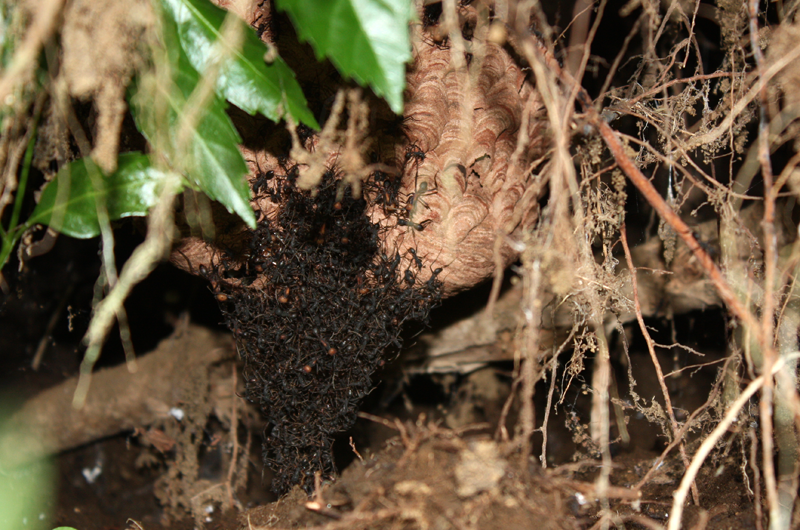
A swarm of army ants. Photo credit: Kaitlin Baudier

Originally posted on DrexelNow.

Army ants, the nomadic swarming predators underfoot in the jungle, can take down a colony of prey animals without breaking a sweat. But certain army ant species can’t take the heat.

According to a new study from Drexel University, underground species of army ants are much less tolerant of high temperatures than their aboveground relatives—and that difference in thermal tolerance could mean that many climate change models lack a key element of how animal physiology could affect responses to changing environments. (more…)

Asteroid Crash Kicked Off Mega-Volcano in the Process that Killed Dinosaurs, According to New Study

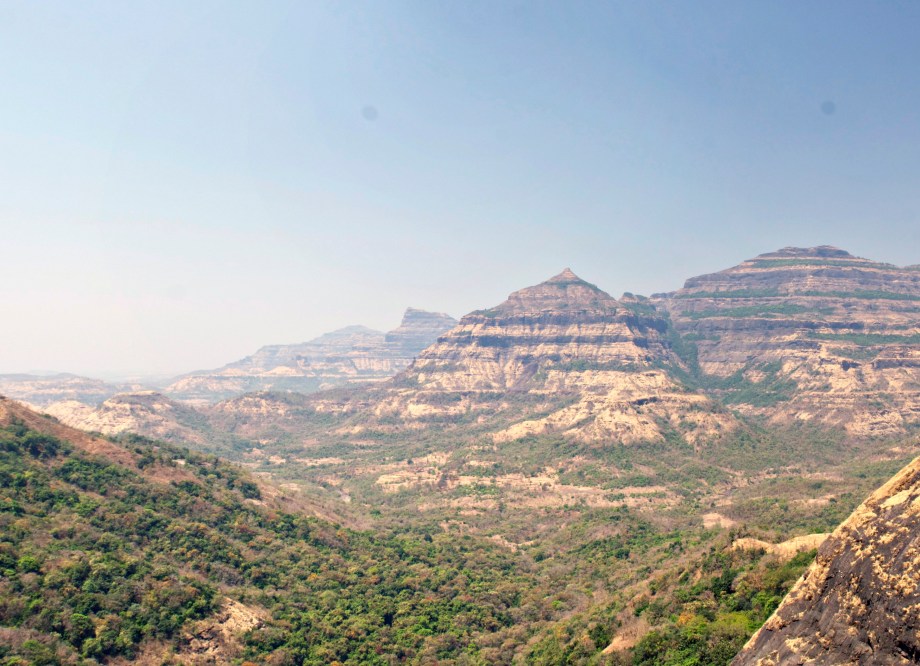
Drexel News Blog The entire mountainous region shown here is part of the Deccan Traps, showing the characteristic stair-like ridges of lava flows. This photo is from near the town of Mahabaleshwar. Credit: Loÿc Vanderkluysen When an enormous asteroid struck Earth 66 million years ago, … Continue reading Asteroid Crash Kicked Off Mega-Volcano in the Process that Killed Dinosaurs, According to New Study

Drexel Snapshot: Geology Class Digs into Earth Science on Instagram

Drexel News Blog GEO 103 class characterizing the nature of the sediments of the Cohansey Formation in the NJ Pinelands. #geo103rocks #drexelcoas #acadnatsci #talkinboutrocksA photo posted by Ted Daeschler (@teddaeschler) on Apr 18, 2015 at 12:29pm PDT On a beautiful spring day, it’s not unusual … Continue reading Drexel Snapshot: Geology Class Digs into Earth Science on Instagram

Mapping Language in the Brain

Originally posted on DrexelNow.

The exchange of words, speaking and listening in conversation, may seem unremarkable for most people, but communicating with others is a challenge for people who have aphasia, an impairment of language that often happens after stroke or other brain injury. Aphasia affects about 1 in 250 people, making it more common than Parkinson’s Disease or cerebral palsy, and can make it difficult to return to work and to maintain social relationships. A new study published in the journal Nature Communications provides a detailed brain map of language impairments in aphasia following stroke.
(more…)